

Red Flags in Sponsorship Agreements
Not every sponsorship deal is structured well. Vague deliverables, unclear payment terms, and exaggerated audience claims are major warning signs.

Power, Contracts, and the Creative Economy: What Artists Must Understand Before the System Breaks
In every creative industry—fashion, music, film, photography, design—one quiet truth determines who thrives and who disappears:
Power must be shared.
When power concentrates in one place—whether in an agency, a corporation, or even a single star—the system eventually fractures. History shows this pattern repeatedly. The creative industries are no exception.
What many artists still misunderstand is not talent, exposure, or marketing.
It is structure.
And structure determines power.

Sponsors & Partnerships: How Culture Becomes Infrastructure
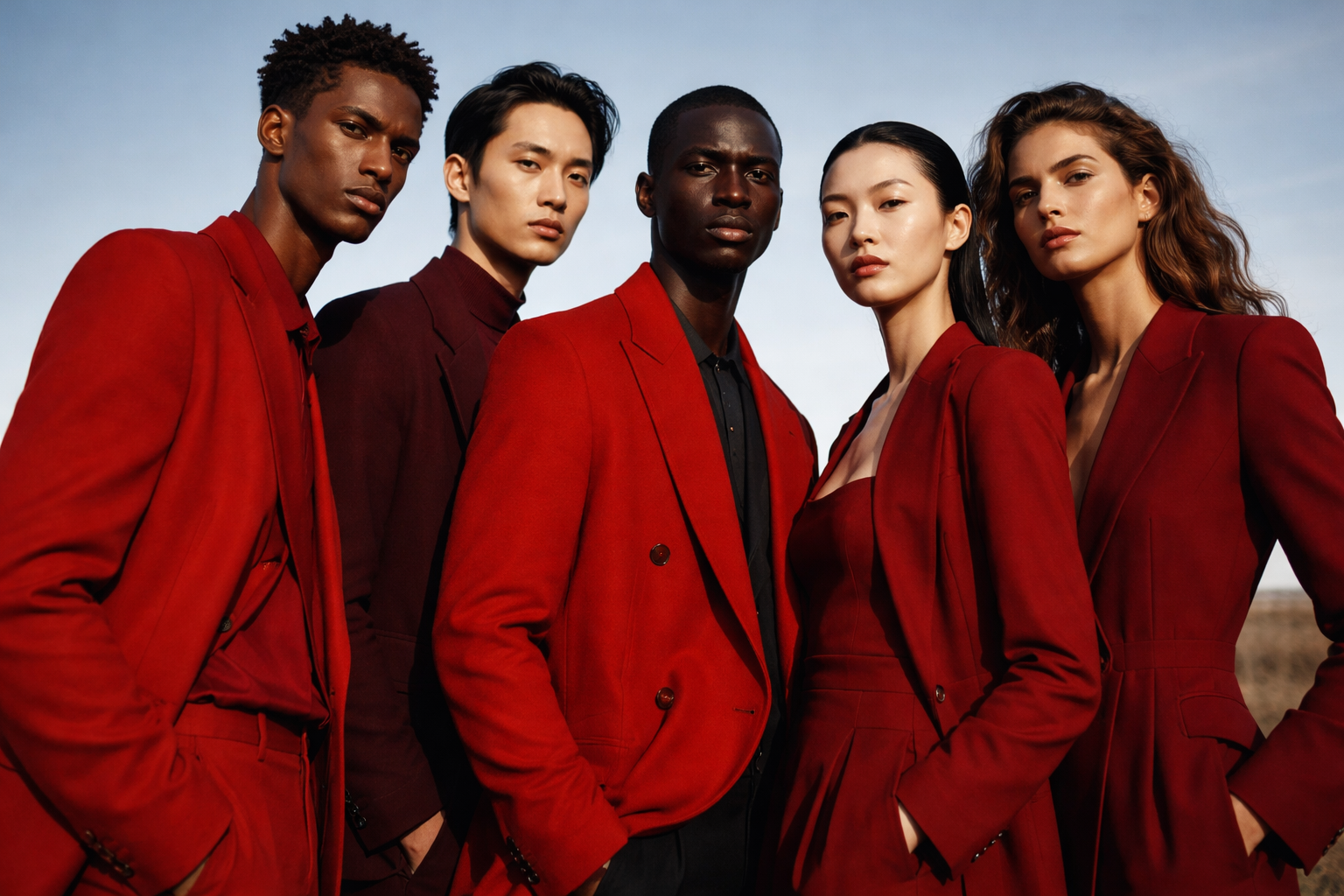
How Fashion Infrastructure Actually Works
The fashion industry was not designed as one machine.
It was built as separate systems working side by side.
PR firms handle publicity.
Talent agencies manage careers.
Magazines tell stories.
Nonprofits run cultural programs.
Production companies create campaigns and runway shows.
Each part usually lives in its own lane.

Sponsors & Partnerships: How Culture Becomes Infrastructure
There’s a moment every culture-driven brand reaches.
Visibility is no longer the problem.
The audience is watching.
The message is landing.
And the real question becomes:
Who is willing to build with you—not just stand next to you?

Can Small Brands Use Cultural PR?
Short answer: yes.
Real answer: small brands are often the only ones who can do it well.
This isn’t a theory. It’s a pattern I’ve watched repeat—quietly, consistently—across cities like Dallas, New York, and Los Angeles, where culture doesn’t announce itself. It moves.
Cultural PR isn’t about budget size.
It’s about truth density—how much meaning you can carry without noise.
How Long Does Cultural PR Take to Work?
Does Cultural PR Replace Traditional PR?
Short answer: No.
Honest answer: It changes what matters—and who gets remembered.
This question keeps showing up in boardrooms, inboxes, and late-night brand strategy calls. Founders ask it quietly. Creators ask it out loud. Brands feel it when something launches and… nothing moves.
So let’s slow this down and tell the truth.
Is Cultural PR the Same as Brand Activism?
People ask this question quietly.
Sometimes with hope. Sometimes with skepticism.
Is cultural PR just another name for brand activism?
Or are they doing different work—on different timelines—with different responsibilities?
The honest answer matters, because the wrong assumption is how good intentions turn into public backlash.
Let’s slow it down. Let’s tell the truth.

Ethics in Cultural PR: Responsibility vs. Performance
There’s a moment every cultural brand faces.
The lights are on. The camera is rolling. The statement is ready.
And a quieter question waits offstage:
Is this responsibility—or is this performance?
In cultural PR, that question is everything.
Because culture is not a costume.
It is not a campaign theme.
It is not something you put on when it’s trending and remove when it’s inconvenient.
Culture is lived. And when public relations touches it, the work carries weight.

How Cultural Narratives Are Built (Step by Step)
Culture is not born loud.
It’s born deliberate.
The narratives that last—the ones people feel, repeat, defend, and build their identity around—are never accidents. They are constructed with care, responsibility, and restraint.
This is how cultural narratives are actually built.
Not theoretically. Not romantically.
But step by step.

When a Brand Is Not Ready for Cultural PR
There’s a moment every brand reaches—quiet, revealing, unavoidable.
It’s the moment you ask for cultural PR, but culture answers back with a question:
Are you ready to be seen clearly?
Not promoted.
Not positioned.
Seen.
This is where many brands stumble—not because they lack ambition, but because they confuse attention with alignment.
And culture never rewards confusion.
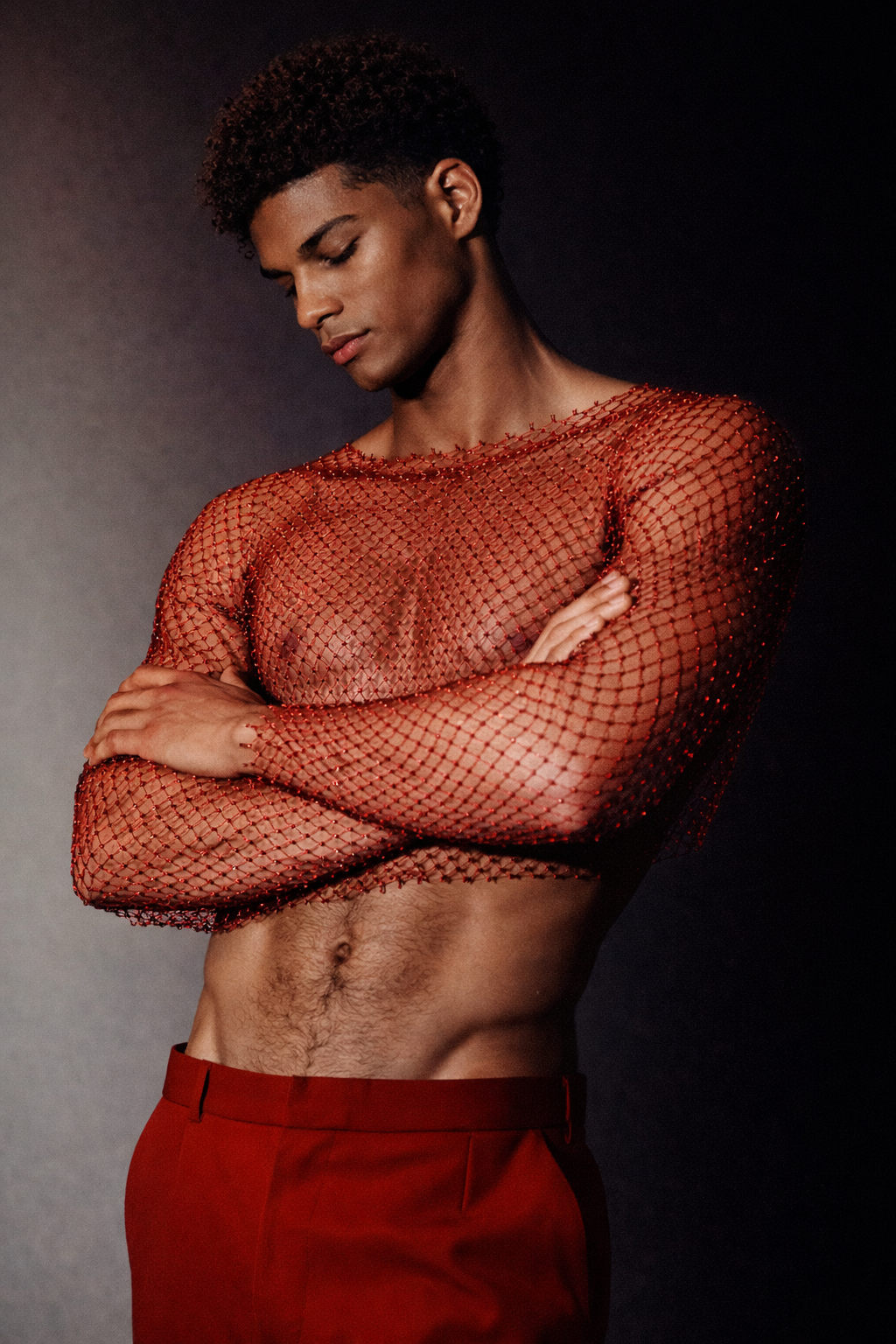
Sponsors & Partnerships: How They Actually Work
Sponsors and partnerships are not donations.
They are strategic exchanges of trust, access, and alignment.
When done correctly, sponsorships do not interrupt culture.
They fund it, protect it, and help it scale.
At The Fstate, we treat sponsors and partners as infrastructure—not logos on a flyer.
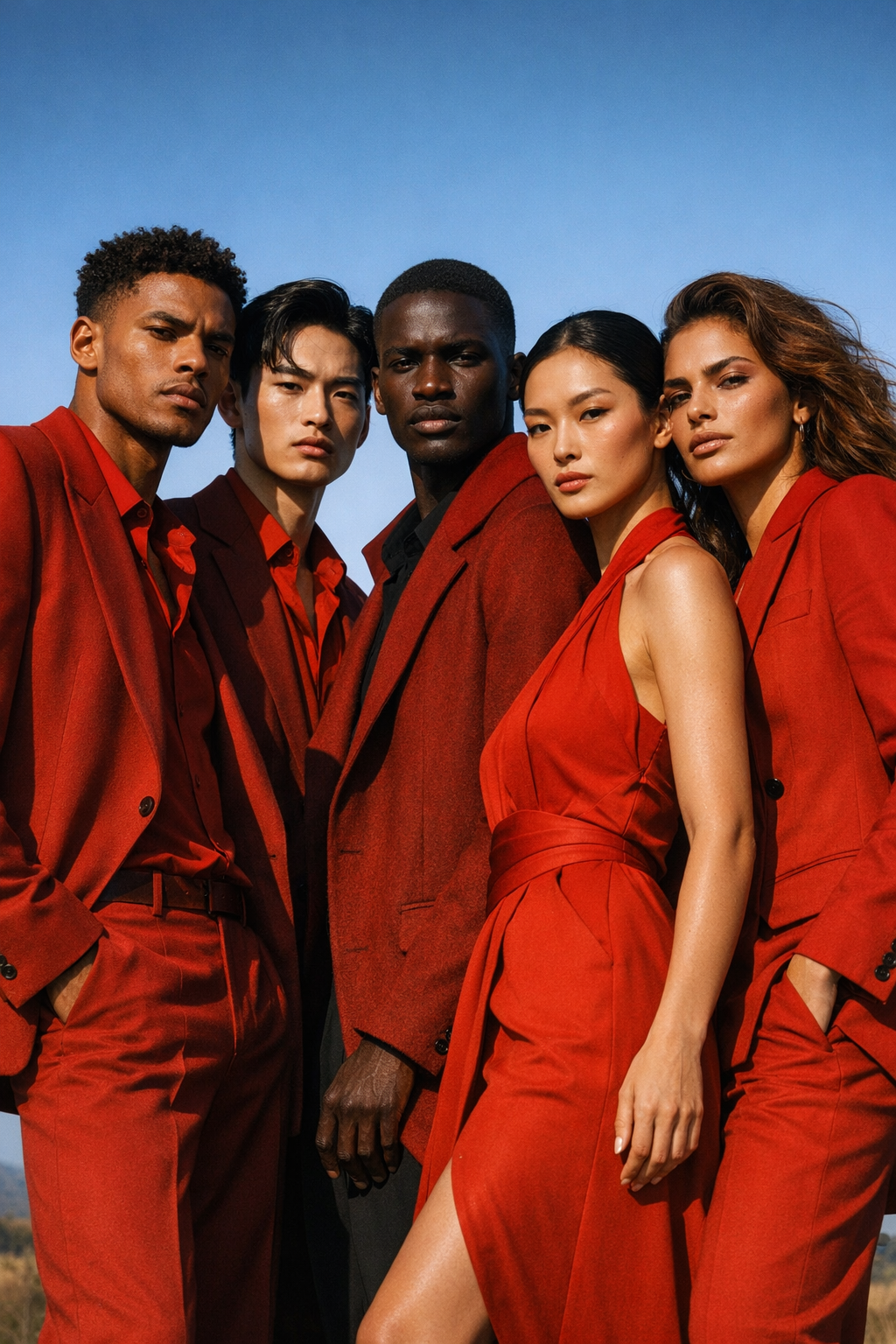
Are Cultural PR Retainers Worth It?
There’s a quiet moment most founders don’t talk about.
It comes after the launch.
After the post gets likes.
After the article hits.
When the noise fades and the question lingers:
Did any of this actually build something?
That’s usually when people start asking about cultural PR retainers—and whether they’re worth the investment.
Let’s talk about it honestly.

Is Cultural PR the Same as Brand Activism?

Cultural PR for Events & Fashion Weeks
How moments become movements—and why meaning travels farther than noise.
There’s a moment at every great event when the room changes.
Not because the lights dimmed or a celebrity arrived—but because people felt something.
That feeling is culture. And culture, when guided with intention, becomes reach.
This is where Cultural PR lives.
Not in blast emails.
Not in vanity headlines.
But in the careful translation of why an event exists into a story people want to carry.

Cultural PR for Nonprofits & Cultural Institutions
How trust is built when culture is treated as responsibility—not decoration.
Most nonprofits don’t struggle because their mission is unclear.
They struggle because the story never lands.
The work is meaningful. The impact is real. The people are committed.
But the public only sees fragments—an event flyer, a press release, a grant report written in a language no one outside the system speaks.
Cultural PR exists to close that gap.
Not by shouting louder.
By telling the truth clearly, in a way people can feel.

Cultural PR for Fashion Brands
How Meaning, Not Noise, Builds Brands That Last
Fashion has never been just about clothes.
It has always been about people, place, and power—who is seen, who is heard, and who gets to define what matters.
Yet many fashion brands still treat public relations like a megaphone. Louder launches. Bigger guest lists. More press blasts. More visibility.
And still—no loyalty. No cultural gravity. No memory.
This is where Cultural PR enters. Not as a trend, but as a correction.

Cultural PR Case Study Framework
How to Read the Results (Without Losing the Story)
Most PR reports look clean.
Charts. Reach. Impressions. A final number meant to end the conversation.
Cultural PR doesn’t work like that.
If traditional PR asks “How far did this go?”
Cultural PR asks something harder:
“What moved—and what stayed changed?”
This post is a guide to reading Cultural PR case studies the right way.
Not as proof of noise, but as evidence of meaning.
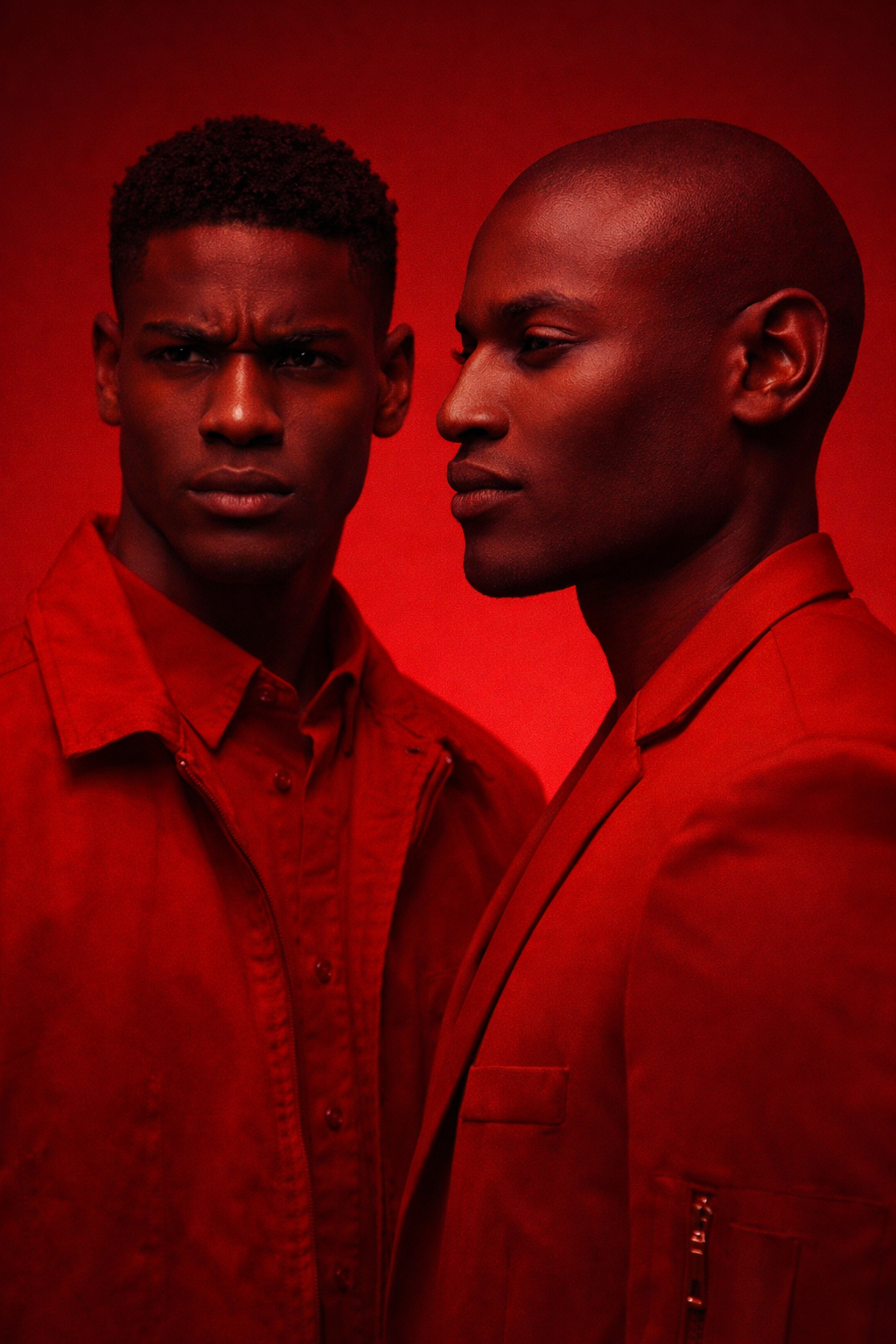
How We Measure Cultural Impact (Not Just Press Hits)
There was a time when impact was measured in clippings.
Who covered you.
Who reposted you.
How loud the echo sounded for 24 hours.
That system is tidy.
It’s also incomplete.
At The Fstate, we’ve learned something the hard way:
visibility without resonance disappears.
So we measure differently.
Not because metrics don’t matter—but because meaning does.
This is how we measure cultural impact when press hits alone aren’t enough.