
How The Fstate Develops Creative Talent
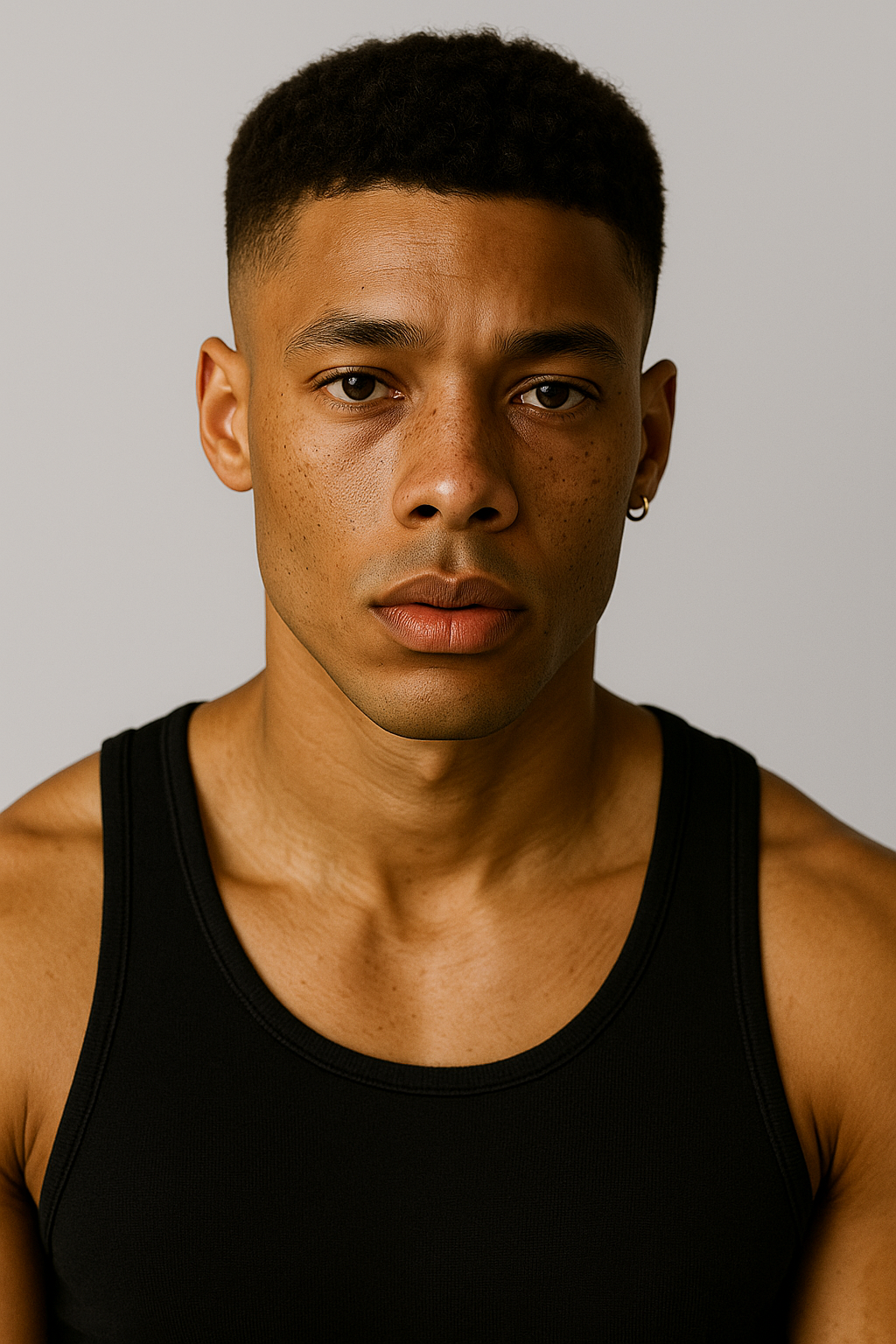
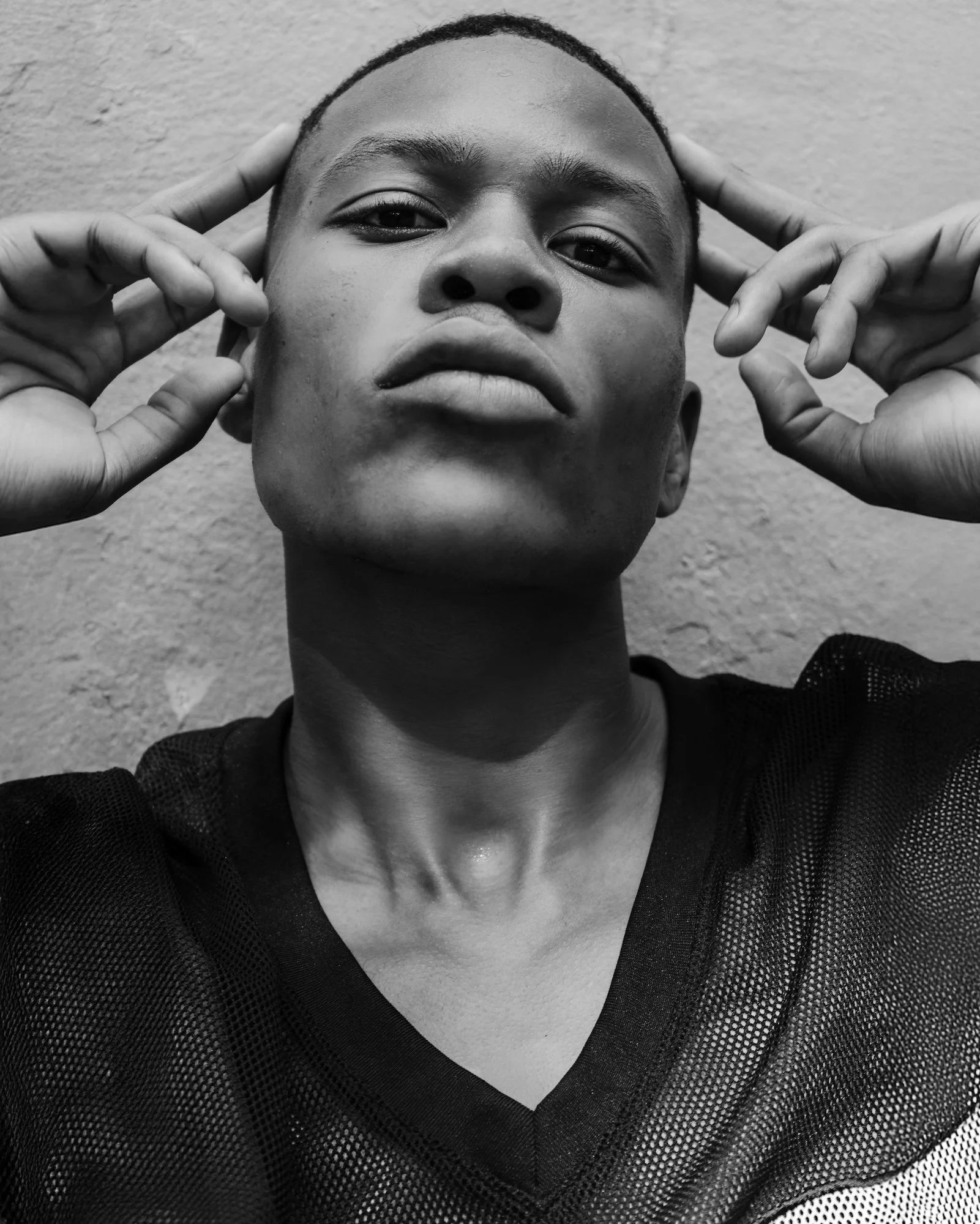
The Fstate operates through three roles: discovering creative voices, developing talent, and shaping the cultural narrative around emerging fashion talent.
Steven Galeano: NYC Commercial Film Director Redefining Fashion and Brand Storytelling
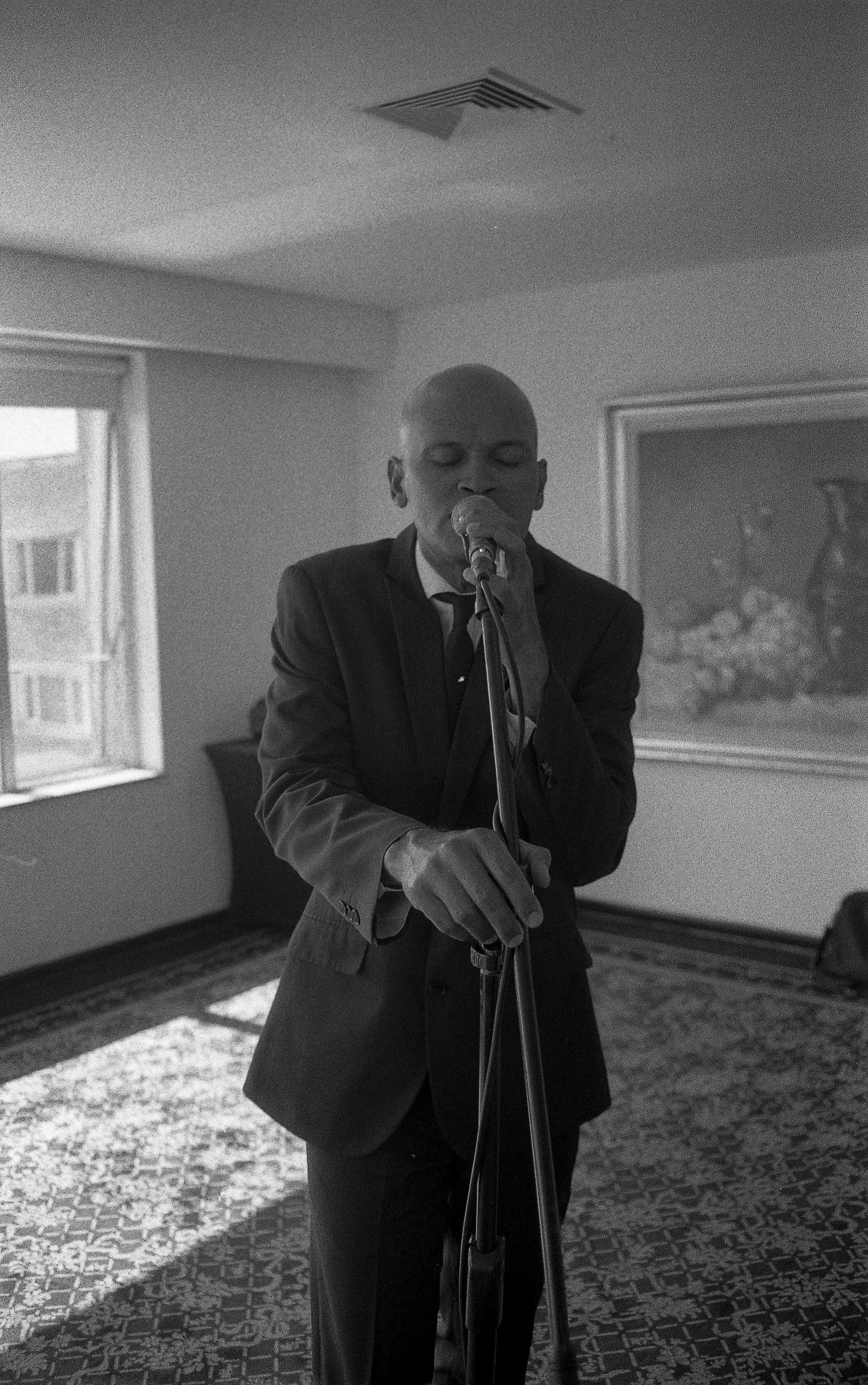
Positioned within New York City’s competitive creative industry, Steven Galeano stands out among commercial directors by combining Latin American narrative influence with global fashion and luxury brand sensibilities.

The Real Anatomy of a Press Release: What Must Exist Before a Single Word Is Written
A successful press release starts before writing. It requires a clear core story, verified facts, a strong media angle, credible quotes, defined brand positioning, targeted distribution, and strategic timing. Without this foundation, even well-written releases fail to gain
Why Modeling Isn’t Free: The Truth About Portfolio Costs, Digitals, and Building a Real Career
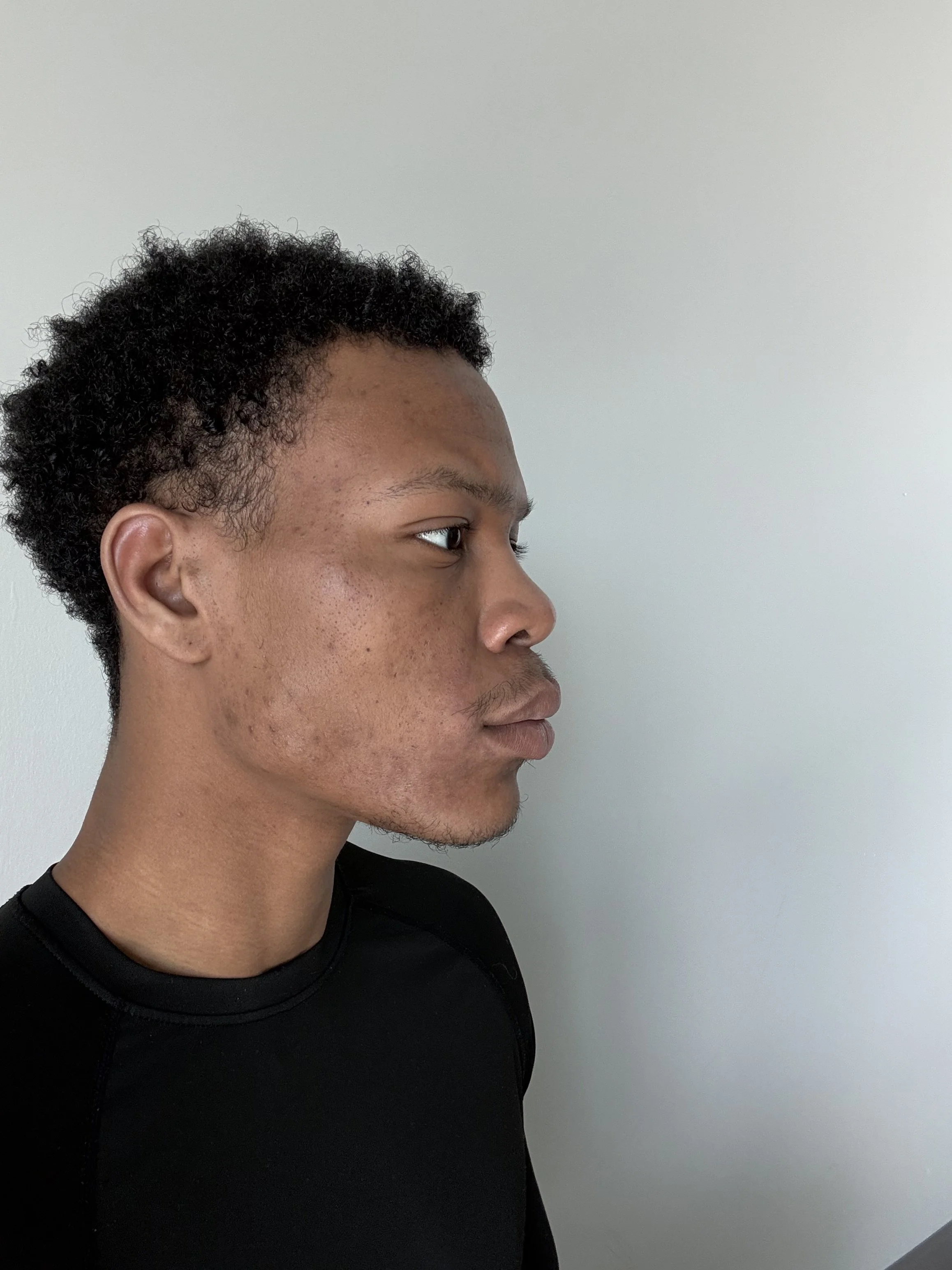
Modeling is not a free career path. As independent contractors, models are responsible for investing in their own portfolios, including digitals (natural, unedited photos) and professional portfolio images (styled, high-quality shoots). Agencies may guide development, but they are not obligated to cover these costs.

Red Flags in Sponsorship Agreements
Not all sponsorship deals are healthy partnerships. Vague deliverables, unclear payment terms, and unrealistic promises are major red flags to watch for.
Legal Basics of Sponsorship Agreements (Plain Language)
Sponsorship agreements define what sponsors provide and what they receive in return. Understanding the basics helps both brands and organizers avoid confusion.
Red Flags in Sponsorship Agreements
Not every sponsorship deal is structured well. Vague deliverables, unclear payment terms, and exaggerated audience claims are major warning signs.

Power, Contracts, and the Creative Economy: What Artists Must Understand Before the System Breaks
In every creative industry—fashion, music, film, photography, design—one quiet truth determines who thrives and who disappears:
Power must be shared.
When power concentrates in one place—whether in an agency, a corporation, or even a single star—the system eventually fractures. History shows this pattern repeatedly. The creative industries are no exception.
What many artists still misunderstand is not talent, exposure, or marketing.
It is structure.
And structure determines power.

Sponsors & Partnerships: How Culture Becomes Infrastructure
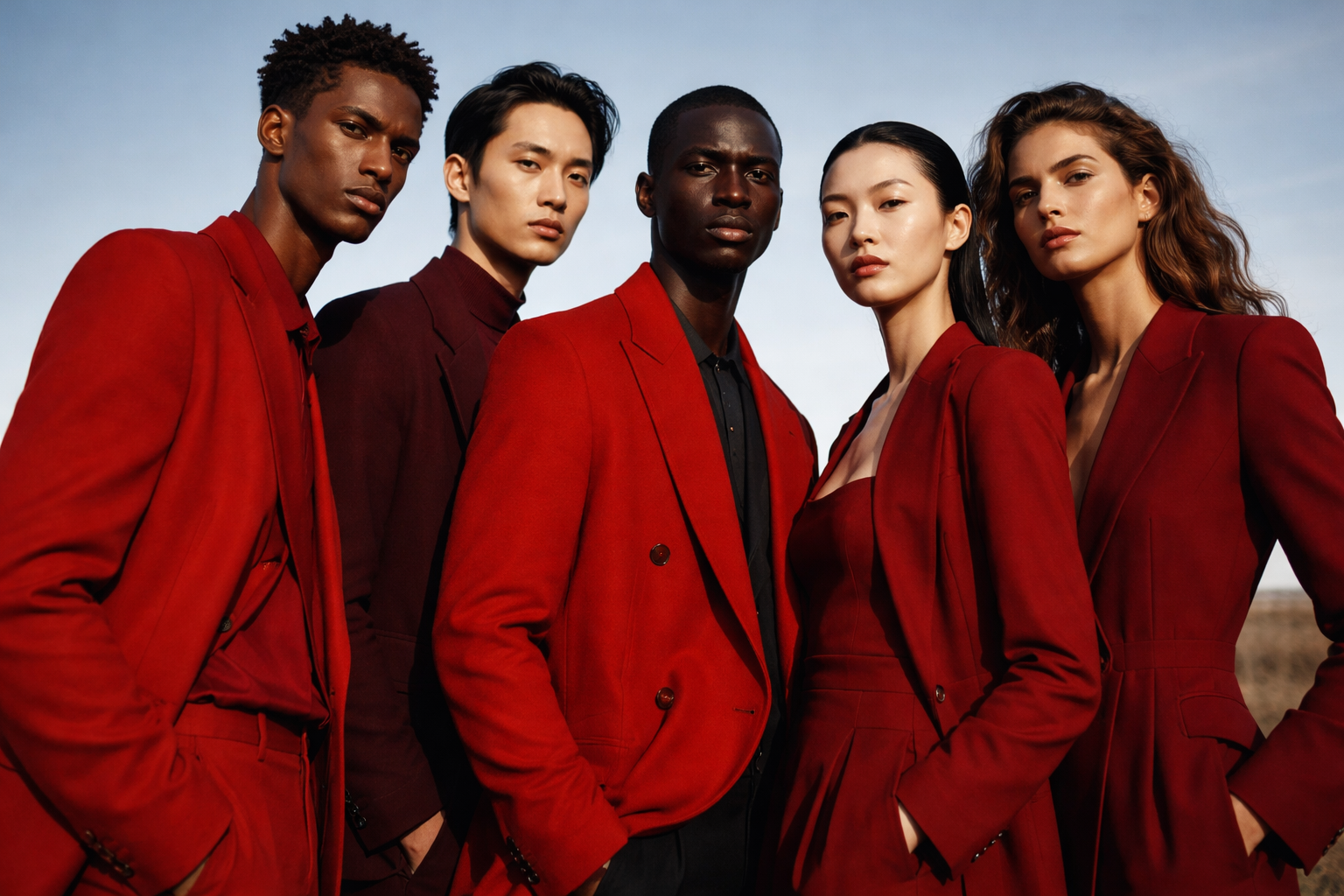
How Fashion Infrastructure Actually Works
The fashion industry was not designed as one machine.
It was built as separate systems working side by side.
PR firms handle publicity.
Talent agencies manage careers.
Magazines tell stories.
Nonprofits run cultural programs.
Production companies create campaigns and runway shows.
Each part usually lives in its own lane.

Sponsors & Partnerships: How Culture Becomes Infrastructure
There’s a moment every culture-driven brand reaches.
Visibility is no longer the problem.
The audience is watching.
The message is landing.
And the real question becomes:
Who is willing to build with you—not just stand next to you?
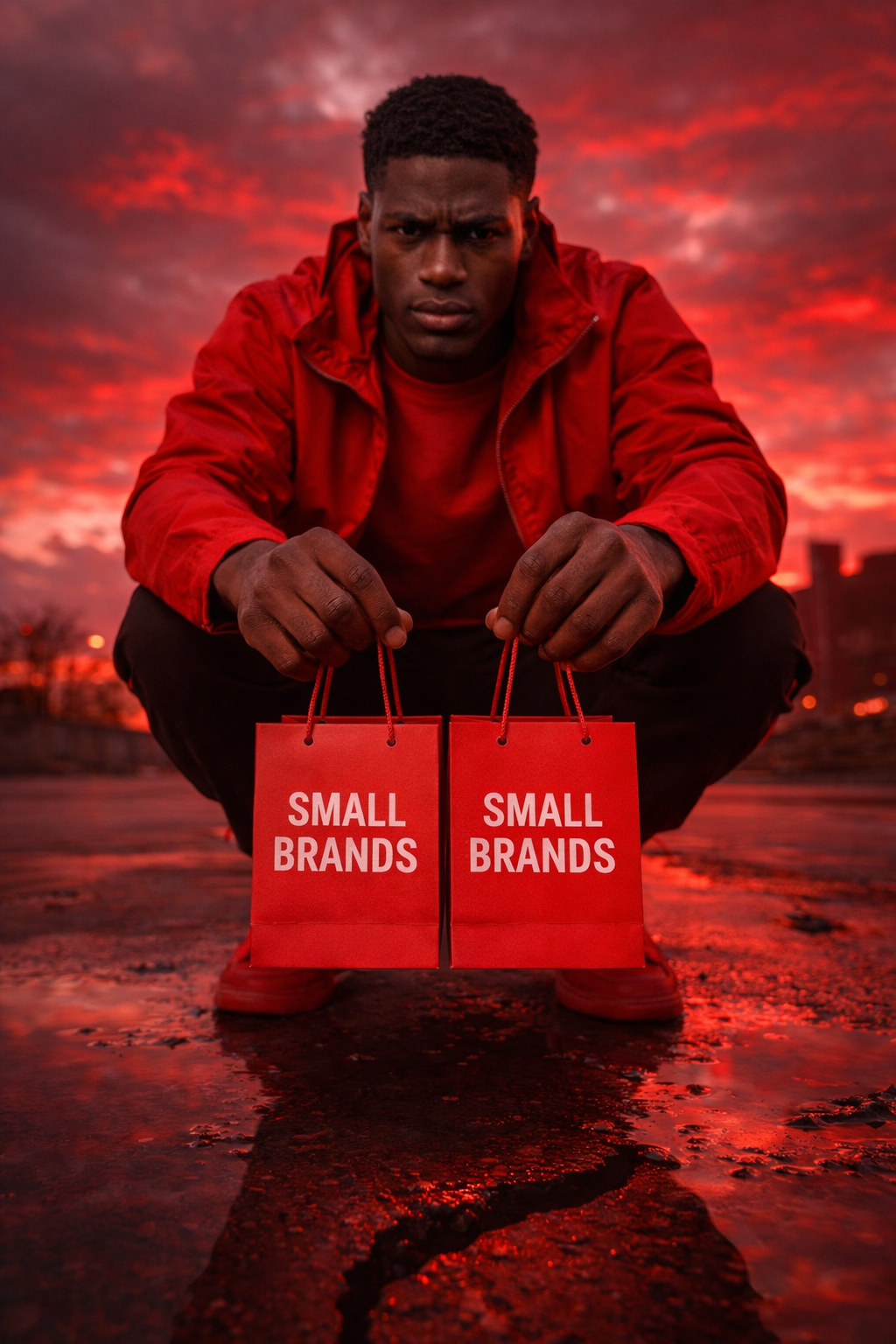
Can Small Brands Use Cultural PR?
Short answer: yes.
Real answer: small brands are often the only ones who can do it well.
This isn’t a theory. It’s a pattern I’ve watched repeat—quietly, consistently—across cities like Dallas, New York, and Los Angeles, where culture doesn’t announce itself. It moves.
Cultural PR isn’t about budget size.
It’s about truth density—how much meaning you can carry without noise.
How Long Does Cultural PR Take to Work?
Does Cultural PR Replace Traditional PR?
Short answer: No.
Honest answer: It changes what matters—and who gets remembered.
This question keeps showing up in boardrooms, inboxes, and late-night brand strategy calls. Founders ask it quietly. Creators ask it out loud. Brands feel it when something launches and… nothing moves.
So let’s slow this down and tell the truth.
Is Cultural PR the Same as Brand Activism?
People ask this question quietly.
Sometimes with hope. Sometimes with skepticism.
Is cultural PR just another name for brand activism?
Or are they doing different work—on different timelines—with different responsibilities?
The honest answer matters, because the wrong assumption is how good intentions turn into public backlash.
Let’s slow it down. Let’s tell the truth.
Ethics in Cultural PR: Responsibility vs. Performance
There’s a moment every cultural brand faces.
The lights are on. The camera is rolling. The statement is ready.
And a quieter question waits offstage:
Is this responsibility—or is this performance?
In cultural PR, that question is everything.
Because culture is not a costume.
It is not a campaign theme.
It is not something you put on when it’s trending and remove when it’s inconvenient.
Culture is lived. And when public relations touches it, the work carries weight.

How Cultural Narratives Are Built (Step by Step)
Culture is not born loud.
It’s born deliberate.
The narratives that last—the ones people feel, repeat, defend, and build their identity around—are never accidents. They are constructed with care, responsibility, and restraint.
This is how cultural narratives are actually built.
Not theoretically. Not romantically.
But step by step.

When a Brand Is Not Ready for Cultural PR
There’s a moment every brand reaches—quiet, revealing, unavoidable.
It’s the moment you ask for cultural PR, but culture answers back with a question:
Are you ready to be seen clearly?
Not promoted.
Not positioned.
Seen.
This is where many brands stumble—not because they lack ambition, but because they confuse attention with alignment.
And culture never rewards confusion.
Sponsors & Partnerships: How They Actually Work
Sponsors and partnerships are not donations.
They are strategic exchanges of trust, access, and alignment.
When done correctly, sponsorships do not interrupt culture.
They fund it, protect it, and help it scale.
At The Fstate, we treat sponsors and partners as infrastructure—not logos on a flyer.